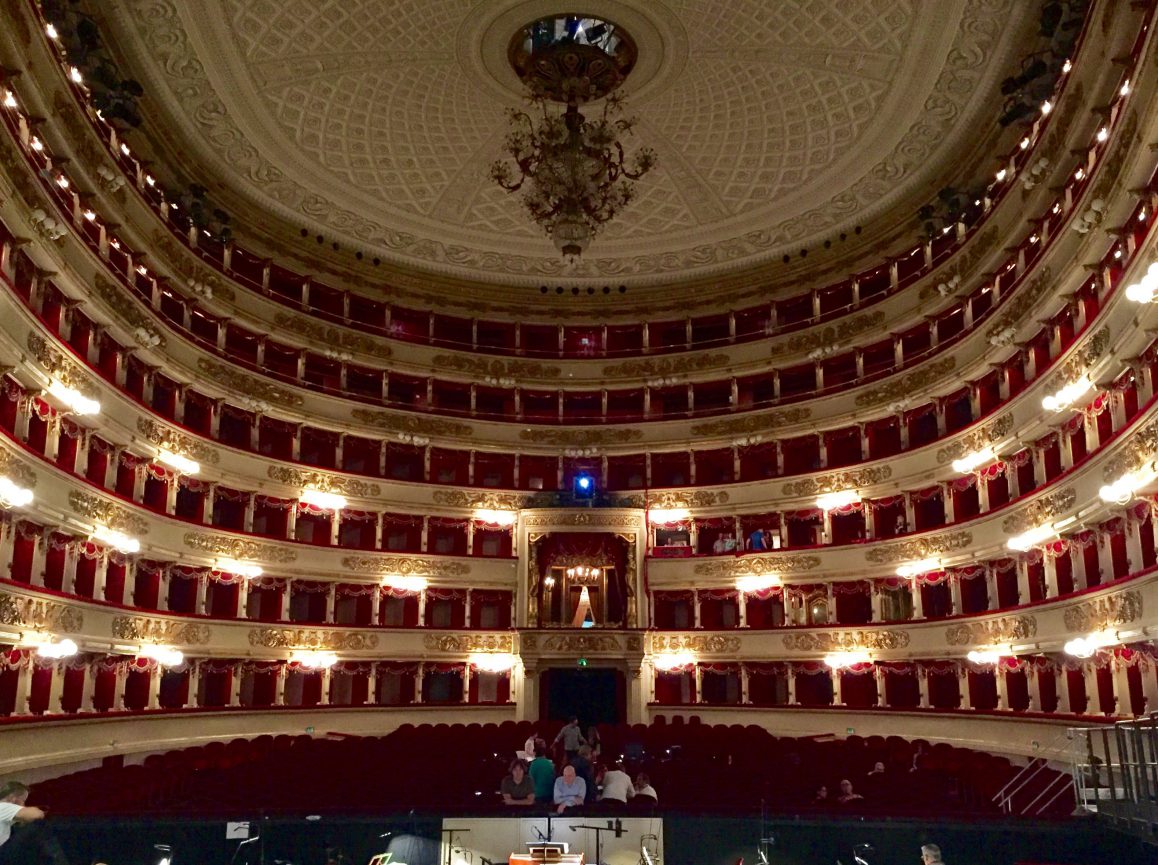
Singing with many voices is a blog dedicated to the classical singer. Various subjects related to the art and craft of singing will be discussed. Your questions are welcome and I look forward to having you follow the blog. -Joan Patenaude Yarnell (Voice Faculties-Curtis Institute of Music/Manhattan School Of Music)
DO NOT LOOK DIRECTLY TO THE VOCAL CHALLENGE – LOOK TO WHAT WILL SOLVE IT
Very often a singer will endlessly try to “fix”a vocal challenge or problem. – i.e. an uncomfortable high note or a pitch problem . Instead of focusing on the problem , go to your tool box to find the tool that will remove it – i.e. preparation of the phrase mentally as one inhales ; failing to sustain the voice from the first note to the last
,
The daily development of these tools will help the singer correct specific vocal challenges or problems by folloiwng the natural laws of mother nature rather than mechanicallytrying to solve them
THIS SEASON“SINGING WITH MANY VOICES” WILL TAKE AN ORGANIZED LOOK AT THE MIND/BODY CONNECTION THAT ALLOWS THECHARACTERISTICS OF THE CLASSICAL VOCAL REPERTOIRE TO BE FULFILLED.
THE HUMAN BODY IS THE MOST PERFECT MUSICAL INSTRUMENT OF ALL . IT IS CAPABLE OF BRINGING TO LIFE THE THE BEAUTY AND POWER OF THE VAST CLASSICAL VOCAL REPERTOIRE THROUGH THE HUMAN VOICE.
IT IS THE TEACHER`S & THE SINGER`S GOAL, THROUGH ORGANIZATION AND IMAGINATION, TO DEVELOP THE CRAFT AND THE ART OF THE BEL CANTO SCHOOL OF SINGING..
“HEAR YOURSELF BEFORE YOU SING —- NOT WHILE YOU SING”
Train your “inner ear” to hear the pitch – the “inner eye” to see the vowel and see the “gesture” or “direction” of the phrase as you inhale. Do not listen with your “outer ear ” as you are singing the phrase.
This approach helps you to think ahead rather than listening to each note as you singing it. To already see the whole phrase helps you develop the lyric line
“DO NOT SPEND THESE WEEKS BEING ANXIOUS ABOUT “JURYING”. INSTEAD CAREFULLY AND PATIENTLY PREPARE THE CHOSEN REPERTOIRE IN ORDER TO DEVELOP “MUSCLE MEMORY”
MUSCLE MEMORY ALLOWS ONE TO CONFIDENTLY SHARE THE EMOTIONAL POWER OF THE MUSIC AND TEXT WITH WHOMEVER IS LISTENING, EVEN WHEN THE BODY IS UNDER STRESS.
“NEVER SING A VOCALISE OR REPERTOIRE WITHOUT AN EMOTIONAL INTENT” (Mathilde Marchesi 1821-1913)
THIS ADVICE, GIVEN BY ONE OF TJE GREAT TEACHERS OF THE BEL CANTO ART AND CRAFT, EMPHASIZES THE POWER OF THE MUSICAL SETTING OF WORDS AND POETRY. . THE HUMAN VOICE IS MORE CAPABLE OF EXPRESSING HUMAN EMOTIONS THAN ANY MAN-MADE INSTRUMENT.
THE TECHINCAL CRAFT HAS NO PURPOSE WITHOUT AN EMOTIONAL, MUSICAL INTENT.
THE ABILITY TO BRING THE SONG OR ARIA TO LIFE CANNOT BE ACHIEVED WITHOUT THE CRAFT THAT MAKES IT POSSIBLE TO DO SO FREELY.
THREE QUOTES IN PREPARATION FOR THE AUDITIONS, JURIES, PERFANCES AHEAD.
“ KEEP YOUR THOUGHTS AS SIMPLE AS POSSIBLE BUT NO SIMPLER” (Albert Einstein)
“THE AUDIENCE HEARS WHAT IS IN YOUR MIND” (Lawrence Brownlee)
“DON`T TRY – ALLOW”
ALL OF THESE MAXIMS CONFIRM THAT CAREFUL, EARLY, PREPARATION OF YOUR REPERETOIRE ALLOWS THE SINGER TO PERFORM WITHOUT ANXIETY. TECHNIQUE SERVES THE HIGHER PURPOSE OF TELLING A STORY .
“GREAT MUSIC WAS NEVER WAS MEANT FOR ITS OWN TIME ONLY, BUT FOR ETERNITY ” (Giuseppe Verdi)
As singers this quote must have special meaning as we are dealing with the Classical Vocal Vocabulary (Opera/Song) that spans over 400 years and developing well into the future.
Each generation has the responsibility to keep this truth alive. It requires belief in the particular repertoire we are preparing and performing . Not only is the performer responsible, but all of us involved and fortunate enough to call ourselves artists: teachers, coaches, directors, conductors, artist managers, etc.
It is our responsibility and honor to present what the composers and poets have left us with great respet. At the same time we must keep it fresh and vital in our own time by preparing and presenting these great works with knowledge, honesty and simplicity as well as imagination as though they were created for all of humanity in all times.
Of course the world is always changing but the human emotions remain universal and timeless.
BAD VOCAL HABITS ARE ACQUIRED. These habits are formed because of a lack of proper knowledge of the basic mental and physical coordination (Mind/Body) that produces the well trained singer of the Bel Canto School of Singing.
THE HUMAN BODY IS THE MOST PERFECT MUSICAL INSTRUMENT. We often fail to realize this as we pursue our vocal studies. Instead of a simple, organized knowledge of how the physical elements coordinate to produce to produce the demands and characteristics of this special vocal style. Instead we “try” to instantly achieve a vocal goal i.e. register blending, legato line, harmonized diction, dynamic, coloratura passages, etc. etc. There is no preconceived concept of how to go about achieving these skills.
THE BODY OBEYS THE MIND: Without this knowledge the body is confused as the directions from the mind are not organized. A confused mind is the cause of these bad habits being formed. As we cannot see with our naked eye the physical parts of our instrument or hear with our naked ear the sound we are producing another approach must be developed to produce the music and text we sing. The Imagination is the skill we must develop to do so (the singer`s inner ear and inner eye). We must know how we want the phrase to sound as well as what we want to audience to hear and feel.
DEVELOPING IMAGES AND DESCRITIVE TERMINOLOGY. These two elements, a well trained inner ear and eye as well as simple, clear knowledge are the keys to singing freely, with ease, intensity and beauty.
“WHEN I AM SINGING WELL I FEEL AS THOUGH I AM SINGING ONE NOTE AND ONE VOWEL”. (Jussi Bjoerling, tenor)